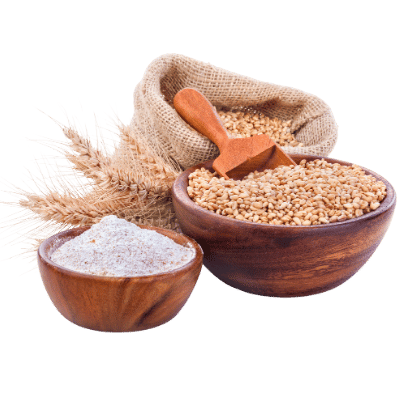
Wheat is an essential grain that has been cultivated for thousands of years, playing a crucial role in global food security. It is a rich source of carbohydrates, dietary fiber, and essential nutrients like B vitamins, iron, magnesium, and zinc. The high fiber content in whole wheat promotes digestive health, regulates blood sugar levels, and supports heart health.
Wheat is primarily processed into flour, which is the foundation for a wide variety of food products, including bread, pasta, cakes, biscuits, and cereals. There are different types of wheat, such as hard wheat (used for bread flour), soft wheat (used for pastries and cakes), and durum wheat (used for pasta and semolina).
In addition to its use in human consumption, wheat is also a key ingredient in animal feed and industrial applications. Wheat germ and bran, by-products of wheat milling, are used in health foods and dietary supplements due to their high nutritional value.
As global demand for wheat continues to grow, advancements in agricultural techniques have improved its yield and resistance to environmental conditions. Whether in its whole grain form, refined into flour, or used in processed foods, wheat remains a fundamental component of diets worldwide, contributing to both nutrition and economic development.
Wheat is one of the most widely cultivated and consumed cereal grains in the world. Rich in carbohydrates, fiber, and essential nutrients, wheat serves as a staple food for millions. It is used to produce flour for bread, pasta, pastries, and various other food products.